 how-to
How to Maintain Porcelain Veneers Long Term
Table of Contents
- Understanding Your Porcelain Veneers Investment
- How to Care for Porcelain Veneers Daily
- How Long Do Porcelain Veneers Last With Proper Care
- Foods to Avoid With Veneers
- Veneers and Teeth Grinding: Protecting Against Damage
- Regular Dental Checkups and Professional Maintenance
- Managing Sensitivity and Handling Veneer Repairs
- Frequently Asked Questions
Last Updated: October 8, 2026
Understanding Your Porcelain Veneers Investment
Porcelain veneers are a significant investment in your smile. These thin shells bond to your teeth to improve their appearance and protect the underlying tooth structure. At Trinity Dental Arts, we help patients understand that to maintain porcelain veneers long term requires commitment, but the payoff is worth it.
Your veneers won't last forever without care. With proper maintenance, they can last 10-15 years or longer. Without it, they fail much sooner. The difference comes down to daily habits and regular professional attention.
Think of your veneers like any investment. You wouldn't buy a car and never change the oil. The same principle applies here. Small daily actions prevent expensive repairs down the road.
How to Care for Porcelain Veneers Daily
Daily care is where veneer longevity begins. Your routine protects the bonding agent that holds your veneers in place and keeps your natural teeth healthy underneath. The goal is not just clean teeth, it is preserving the seal at the margin, the seam where the veneer edge meets your natural tooth. Most veneer failures start at that seam, not in the middle of the porcelain.
Brushing Techniques That Protect Your Veneers
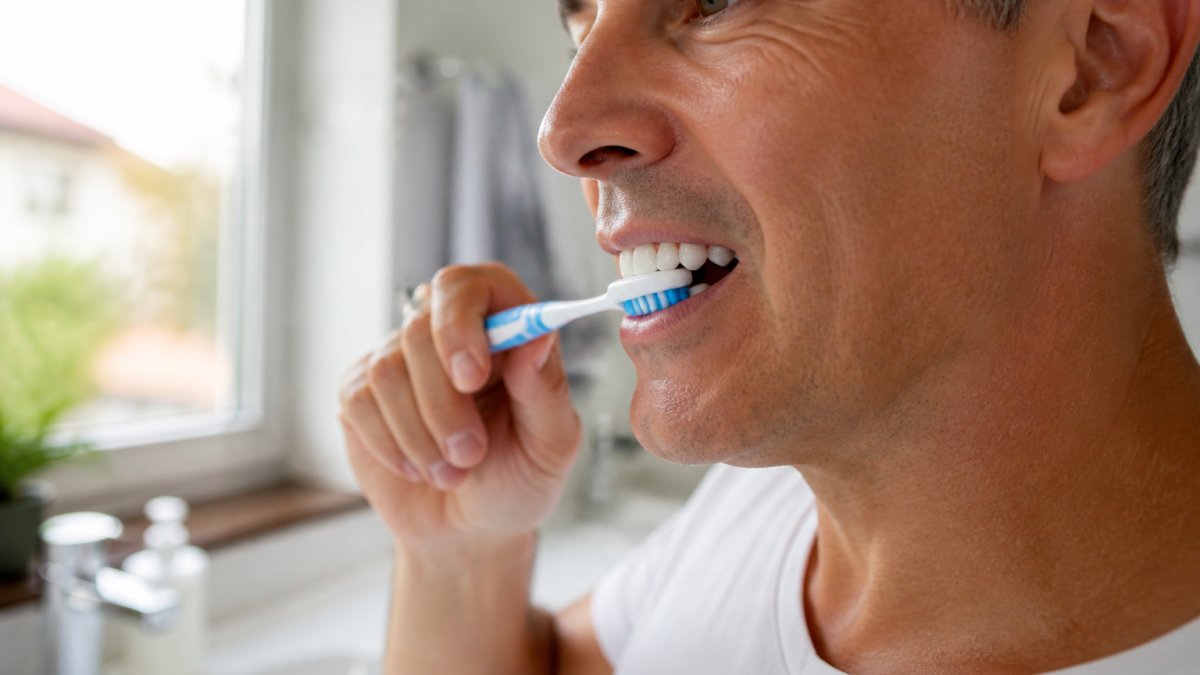
Brush twice daily for a full two minutes with a soft-bristle toothbrush. Hard or medium bristles abrade the glaze on porcelain over time and can push the bristle tips into the margin, gradually prying at the bond.
Angle the brush head about 45 degrees toward the gumline so the bristles sweep the margin without scrubbing it.
Toothpaste choice matters more than most people realize. Avoid whitening toothpaste. Many whitening formulas rely on abrasive particles such as silica or alumina to scrub surface stain, and those particles scratch porcelain and dull its finish.
Choose a non-abrasive, low-RDA (Relative Dentin Abrasivity) toothpaste. Look for formulas labeled "gentle," "sensitive," or "enamel-safe." These protect both your veneers and the natural tooth structure beneath them.
Replace your toothbrush every three to four months, or sooner if the bristles splay.
Flossing Habits for Veneer Longevity
Floss once daily. This is non-negotiable if you want to maintain porcelain veneers long term.
Use gentle, sliding motions when flossing around veneers. Do not snap the floss down between teeth, that snap can chip the veneer edge or stress the bonding agent.
Floss type matters. Unwaxed floss is generally the safer choice because waxed floss can leave a residue that builds up along the margin over time.
If you use floss picks, be careful. The plastic arm can catch on a veneer edge if you force it. A traditional floss loop or a water flosser is usually safer around veneers.
Flossing prevents gum disease. Healthy gums support healthy veneers. When gum disease develops, it weakens the foundation your veneers sit on, and recession can expose the margin, the exact area you are trying to protect.
How Long Do Porcelain Veneers Last With Proper Care
Porcelain veneers typically last 10-15 years with excellent care. Some patients get 20 years or more. Others see failure within 5-7 years. The difference is maintenance.
The veneer itself is extremely durable. Porcelain resists staining and doesn't degrade over time. The weak point is the bonding agent that adheres the veneer to your tooth. This bond weakens gradually from daily stress, temperature changes, and chemical exposure.
Proper oral hygiene extends veneer lifespan significantly. Patients who brush correctly, floss daily, and visit their dentist regularly get more years from their veneers. Those who neglect maintenance face earlier replacement.
Your bite matters too. If you grind your teeth or clench your jaw, your veneers wear faster. The constant pressure stresses the bonding agent and can cause chipping or fracture. Managing bruxism protects your investment.
Foods to Avoid With Veneers
What you eat affects how long your veneers last.
Hard foods that require biting force. Porcelain is strong in compression but can chip under a sharp, concentrated load.
- Nuts and seeds
- Hard candy and lollipops
- Ice
- Popcorn kernels
- Crunchy raw vegetables (cut them into smaller pieces instead)
- Bones, shells, and pits
Sticky foods that pull at the veneer edges. Stickiness is a mechanical problem, not a chemical one. Sticky foods grab the veneer edge and pull outward, which stresses the bond at the margin.
- Caramel and taffy
- Chewing gum
- Dried fruit
- Gummy candies
Staining foods and drinks. Porcelain resists staining far better than natural enamel, but the bonding agent and the margin can pick up color over time, and any exposed natural tooth structure near the margin will stain.
- Red wine and dark beer
- Coffee and tea
- Tomato-based sauces
- Berries and beets
- Soy sauce and balsamic vinegar
- Dark sodas and colas
Acidic foods and drinks. Acid is the quiet long-term threat. It softens the surface of the bonding agent and, over repeated exposure, can degrade the seal at the margin.
- Citrus fruits and juices
- Vinegar and pickled foods
- Soda and energy drinks
- Sports drinks
- Wine (both red and white)
Temperature extremes. Very hot and very cold foods and drinks expand and contract the bonding agent at a different rate than the porcelain and the natural tooth.
How to Enjoy These Foods Without Shortening Veneer Life
You do not have to give up coffee or wine to keep your veneers in good shape. A few habits make a measurable difference:
- Use a straw for coffee, wine, soda, and iced drinks. A straw moves the liquid past the front teeth and reduces contact time with the margin.
- Rinse with water after acidic or staining foods and drinks. This dilutes the acid and clears pigment before it settles.
- Wait 30 minutes before brushing after acidic exposure. Brushing immediately after acid softens enamel and can scrub away mineral; waiting lets saliva neutralize the acid first.
- Cut hard foods into smaller pieces instead of biting into them with your front teeth. Use your back teeth for chewing whenever possible.
- Drink water throughout the day to keep saliva flowing. Saliva is your mouth's natural buffer against acid and a key part of protecting the margin.
Veneers and Teeth Grinding: Protecting Against Damage
Bruxism, grinding your teeth, is one of the biggest threats to veneer longevity. Many people grind their teeth at night without realizing it.
Signs you might grind your teeth:
- Jaw pain or soreness in the morning
- Worn-down teeth
- Headaches upon waking
- Ear pain
- Damage to existing dental work
Grinding creates constant pressure on your veneers. This stress weakens the bonding agent and can cause chipping or fracture. Over time, grinding dramatically shortens veneer lifespan.
A night guard protects your veneers while you sleep. This custom-fitted device absorbs the force of grinding and distributes pressure evenly. Your dentist can fit you for a night guard that's comfortable and effective.
Stress management helps reduce grinding. Exercise, meditation, and addressing anxiety all lower nighttime grinding. If you're under stress, be extra vigilant about wearing your night guard.
Regular Dental Checkups and Professional Maintenance
Visit your dentist every six months. Professional cleanings remove tartar and plaque that brushing and flossing miss. Your dentist also checks for early signs of veneer wear or damage.
During checkups, your dentist assesses the bonding agent. If it's weakening, replacement can be scheduled before the veneer fails. Catching problems early prevents emergency situations.
Professional cleaning uses special techniques safe for veneers. Your hygienist avoids abrasive polishing powders and uses gentle instruments. Ask your dental team to confirm they're using veneer-safe cleaning methods.
Your dentist monitors your bite and jaw function. Changes in how your teeth meet can stress your veneers. If your bite shifts, adjustments can prevent damage.
At Trinity Dental Arts, our board-certified implantologist and team understand that maintaining porcelain veneers long term requires expertise. We provide comprehensive aftercare guidance and use advanced techniques to ensure your veneers last as long as possible.
Managing Sensitivity and Handling Veneer Repairs
Some sensitivity after veneer placement is normal. It usually fades within a few weeks. If sensitivity persists, mention it at your next checkup.
Sensitivity typically occurs where the veneer meets your natural tooth. The bonding process exposes microscopic tubules in your tooth. These tubules transmit temperature and pressure sensations. Over time, the bonding agent seals these tubules and sensitivity decreases.
Use sensitivity toothpaste if discomfort continues beyond a few weeks. These formulas contain compounds that block sensation from reaching the nerve. Apply it directly to sensitive areas and leave it on for a few minutes before rinsing.
Avoid very hot or cold foods and drinks temporarily. Stick to lukewarm options while your teeth adjust. Most patients find sensitivity resolves completely within 4-6 weeks.
When Repairs Are Needed
Chips and cracks happen. A small chip might be repairable with composite resin bonding. Larger damage usually requires veneer replacement.
Repair versus replacement depends on damage severity. Minor chips on the edge can often be smoothed or bonded. Cracks that extend deep into the veneer typically require full replacement.
Don't delay seeking treatment if your veneer is damaged. A cracked veneer allows bacteria to enter the space between the veneer and your tooth. This leads to decay in the underlying tooth structure, which is much more serious than the veneer damage itself.
If bonding fails and your veneer becomes loose, see your dentist immediately. A loose veneer can fall off completely, exposing your tooth. This is a dental emergency that requires prompt attention.
Frequently Asked Questions
How should you brush and floss with porcelain veneers?
Brush twice daily with a soft-bristle toothbrush and non-abrasive toothpaste, using gentle circular motions at a 45-degree angle to your gum line. Floss daily by gently gliding the floss between your teeth and below the gum line, being careful not to snap it against the veneer edges. Avoid abrasive particles in whitening products or baking soda-based toothpastes, which can damage the veneer surface and compromise the bonding agent that holds them in place.
Can porcelain veneers stain or chip?
Porcelain itself resists staining better than natural tooth enamel, but the margins where veneers meet your teeth can accumulate stains if exposed to dark beverages like coffee, red wine, or tobacco. Chipping or fracture can occur from biting hard foods, grinding your teeth at night, or trauma. While porcelain is durable, it is not indestructible. Avoiding hard foods and wearing a night guard if you grind your teeth significantly reduces the risk of damage.
How often should you see a dentist if you have veneers?
Schedule dental checkups every six months for professional cleaning and to monitor the marginal integrity of your veneers. Your dental professional will check for signs of wear, decay beneath the veneers, and gum disease, which can compromise veneer stability. Regular checkups also allow early detection of chipping, staining at the veneer margins, or bonding agent failure, making repairs easier and less costly than full replacement.
What is the 4-8-10 rule for veneers?
The 4-8-10 rule is a guideline some dental professionals use to assess veneer longevity: veneers typically last 4-8 years with basic care, 8-10 years with good oral hygiene and preventative care, and potentially 10-20+ years with excellent maintenance and professional oversight. This rule emphasizes that your daily habits, diet, and commitment to professional cleanings directly influence how long your veneers remain functional and aesthetically pleasing.
Maintaining porcelain veneers long term is achievable with consistent daily care and professional support. Brush gently with soft bristles, floss daily, avoid damaging foods, and protect against grinding. Schedule checkups every six months so your dental team can catch problems early. At Trinity Dental Arts, we combine clinical expertise with advanced technology to help you maximize your veneer investment. Schedule your next checkup to ensure your smile stays beautiful for years to come.