 how-to
Are Same-Day Implants Really Permanent?
Table of Contents
- What Are Same-Day Implants?
- How the Same-Day Implant Procedure Works
- Temporary vs. Permanent Crowns: Understanding the Timeline
- Dental Implant Success Rates and Long-Term Durability
- Same-Day Dental Implants Recovery Time and What to Expect
- Dental Implant Maintenance Tips for Long-Term Success
- Pros and Cons: Is Same-Day Permanent Really Right for You?
- Conclusion
Last Updated: August 30, 2026
What Are Same-Day Implants?
Same-day dental implants involve surgically placing a titanium post into the jawbone and fitting it with a temporary crown on the same day. The key distinction: "same-day" refers to receiving a functional tooth immediately, not a permanent restoration. This differs fundamentally from traditional implants, which require months of healing before crown placement.
The procedure begins with comprehensive evaluation of your jawbone density, health, and tooth loss pattern. The surgical team creates an opening in the bone, inserts the titanium implant, and immediately attaches a temporary crown. This allows you to eat, speak, and smile while the implant undergoes osseointegration, the fusion of implant with bone. Same-day implants compress what would normally be a 6-12 month process into a single appointment, though the healing timeline itself remains unchanged.
How the Same-Day Implant Procedure Works
The same-day implant procedure typically takes 2-3 hours and follows a specific surgical protocol designed to maximize implant stability while providing immediate function.
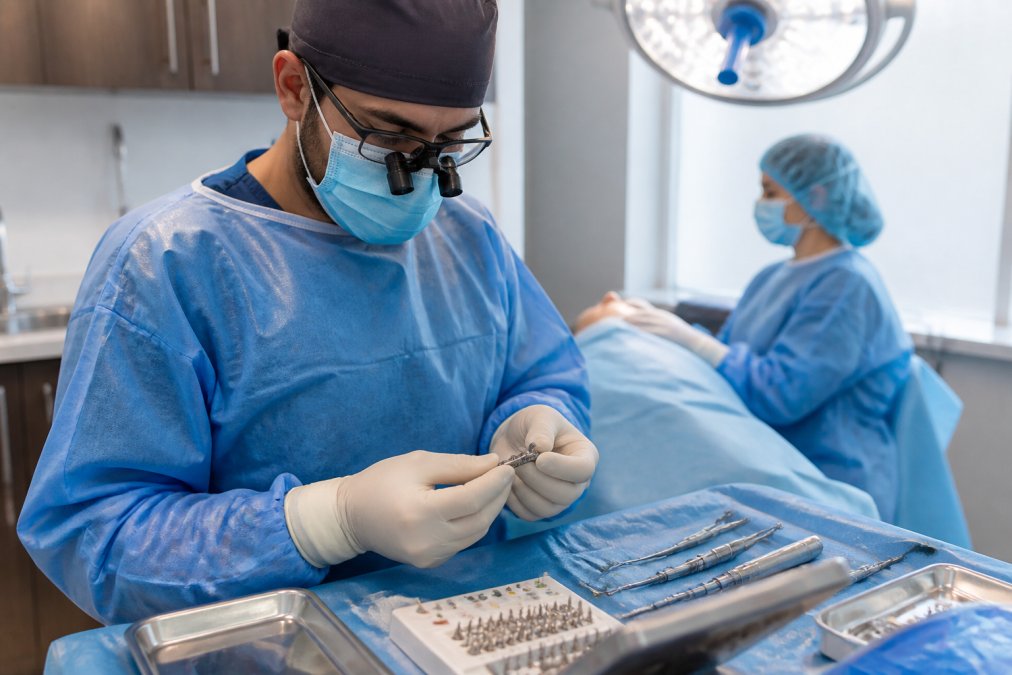
Step 1: Pre-surgical Imaging and Planning Your dentist obtains detailed CBCT (cone beam computed tomography) imaging to assess bone volume, density, and precise implant angle. Computer-guided technology ensures exact placement. This step cannot be rushed, poor positioning compromises long-term success regardless of crown placement speed.
Step 2: Anesthesia and Surgical Site Preparation Local anesthesia numbs the surgical area. Many patients opt for sedation to reduce anxiety. The surgical site is thoroughly cleaned and draped to maintain sterility and prevent infection.
Step 3: Implant Placement A precise opening is created in the jawbone using specialized drilling instruments. The titanium implant, typically a screw-shaped post about 10-12mm long, is inserted into this opening. The implant must achieve primary stability, a mechanical grip in the bone that holds it firmly in place. Insufficient stability may require repositioning or a different implant size.
Step 4: Temporary Crown Attachment Once the implant achieves adequate primary stability, an abutment (connector piece) is attached to the implant top. The temporary crown, fabricated before surgery or in-house using advanced technology, is then secured to the abutment. This temporary crown is functional but removable, allowing adjustments during healing.
Step 5: Post-operative Instructions You receive detailed care instructions, dietary restrictions, and activity limitations. The temporary crown requires specific care protocols to avoid damaging the healing implant. Most patients return to light activities within a few days, avoiding strenuous activity for 1-2 weeks.
The entire procedure relies on the implant achieving immediate stability. Without it, same-day placement isn't possible. This is why bone quality and quantity are critical.
Temporary vs. Permanent Crowns: Understanding the Timeline
The temporary crown is a bridge, literally and functionally, designed to last weeks to months while your implant undergoes osseointegration.
The Temporary Crown The temporary crown is fabricated from less durable materials, typically acrylic or composite resin. It's shaped to fit your bite and look reasonably natural but is intentionally provisional. It absorbs chewing forces, protecting the healing implant, maintains space for the final restoration, and guides tissue healing into proper contours. A temporary crown typically remains in place for 3-6 months, depending on osseointegration speed. You can eat most foods, though very hard items are restricted.
The Permanent Crown Once osseointegration is complete, verified through imaging and clinical assessment, the temporary crown is removed and replaced with a permanent restoration. This permanent crown is custom-fabricated from durable materials: typically porcelain-fused-to-metal, all-ceramic, or zirconia. These materials withstand normal chewing forces for years. The permanent crown requires a new impression, laboratory fabrication, and multiple fitting appointments, adding 2-4 weeks to your timeline.
Why the Distinction Matters Many patients assume "same-day implants" means getting a permanent tooth immediately. They're actually getting immediate function with a temporary solution. Permanence comes later, after healing is complete. This critical distinction changes how you approach care during the interim period.
Dental Implant Success Rates and Long-Term Durability
The implant itself, the titanium post, can last a lifetime. The crown on top typically lasts 10-15 years before requiring replacement.
Clinical research shows well-placed implants in adequate bone achieve osseointegration in 95-98% of cases. This rate doesn't significantly differ between same-day and traditional implants, provided the implant achieves adequate primary stability at placement.
Long-term durability depends on several factors. The implant itself is biocompatible and doesn't decay like natural teeth. Titanium resists corrosion and integrates with bone tissue. However, the crown is subject to wear, porcelain can chip, margins can develop gaps, and cement or screws can loosen.
Gum disease around an implant (peri-implantitis) is the primary threat to long-term success. This infection can lead to bone loss and implant failure. Proper maintenance and hygiene are critical. A well-maintained implant with proper home care and professional monitoring can function for 20+ years. Expecting the crown to never need replacement is unrealistic; expecting the implant itself to be permanent is reasonable.
Same-Day Dental Implants Recovery Time and What to Expect
Recovery from same-day implant surgery is faster than many expect, though the healing process is longer than the recovery period.
Immediate Recovery (First 24-48 Hours) You'll experience swelling, discomfort, and possibly bruising at the surgical site. Pain is typically manageable with prescribed or over-the-counter medication. Swelling peaks around day 2-3, then gradually decreases over 1-2 weeks. Slight bleeding is normal; excessive bleeding warrants contacting your dental office.
First Week Most patients return to light work within 2-3 days. Strenuous activity and heavy lifting should be avoided for 7-10 days. Your temporary crown is functional, but chewing requires caution. Stick to soft foods: yogurt, applesauce, mashed potatoes, scrambled eggs, smoothies. Avoid brushing or flossing the surgical site for the first week. After one week, gentle brushing around the area is acceptable.
Weeks 2-4 Swelling and discomfort diminish. You can gradually return to normal activities and resume regular exercise by week 3-4. Diet can expand to include more solid foods, though very hard items remain restricted.
Months 2-6 This critical osseointegration period involves the implant integrating with bone. You'll have periodic follow-up appointments to monitor healing. Imaging may assess bone integration. Your temporary crown may be adjusted as tissues remodel.
Full Recovery Timeline Complete osseointegration typically takes 3-6 months in the upper jaw and 2-3 months in the lower jaw. Lower jaw bone is denser, allowing faster integration. Once integration is confirmed, the permanent crown is fabricated and placed. The total timeline from surgery to permanent crown is typically 4-7 months, significantly faster than traditional implants.
Dental Implant Maintenance Tips for Long-Term Success
The implant itself requires no special care. The crown and surrounding tissues require meticulous attention.
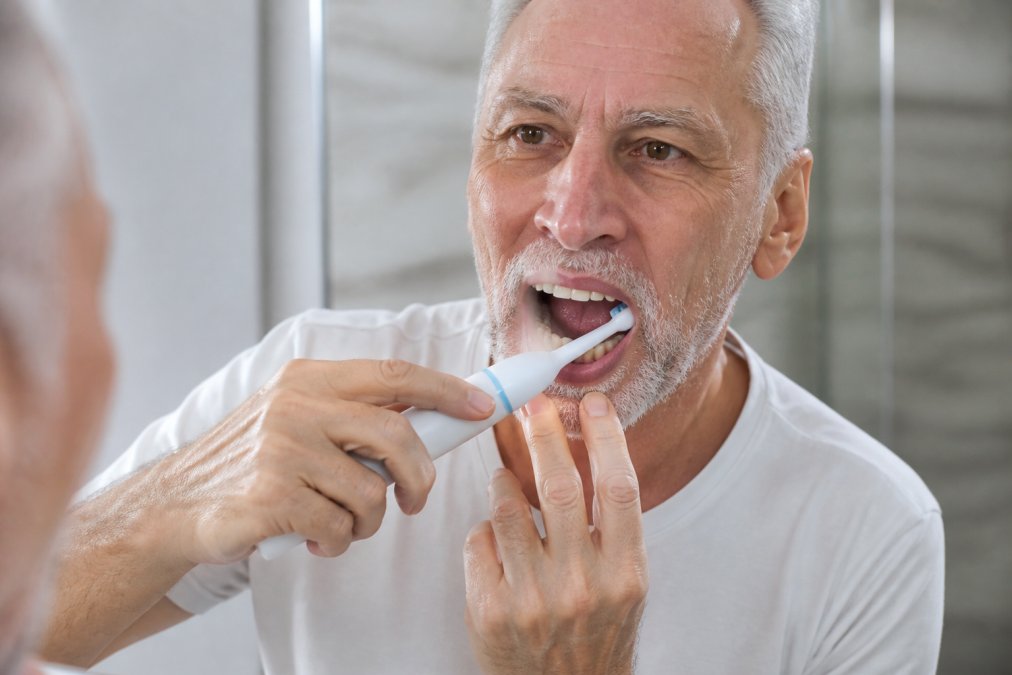
Daily Oral Hygiene Brush your implant twice daily with a soft-bristled toothbrush. Angle your toothbrush at 45 degrees toward the gum line. Floss daily using traditional floss, water flossers, or specialized implant floss. Avoid abrasive toothpastes; use low-abrasion paste designed for sensitive teeth or implants.
Dietary Precautions During the healing phase (months 1-6), avoid hard, sticky, and very hot foods. Hard foods can dislodge the temporary crown; sticky foods can pull on the crown margin; very hot foods can irritate healing tissues. Once the permanent crown is placed, you can resume most foods, but avoid extremely hard items like ice or hard candy that could crack the crown.
Professional Monitoring Schedule follow-up appointments as recommended. Most patients see their implant dentist at 1 week, 4 weeks, 8 weeks, and then at 3-month intervals until permanent crown placement. After permanent crown placement, annual or bi-annual check-ups are standard. Professional cleaning removes tartar that home care might miss, critical for long-term success.
Avoiding Implant Failure Peri-implantitis develops when bacteria accumulate around the implant. Early signs include redness, swelling, bleeding, or discomfort. Contact your dentist immediately if you notice these symptoms. Smoking significantly increases peri-implantitis risk and impairs bone healing. Uncontrolled diabetes increases implant failure risk. Clenching or grinding your teeth places excessive force on the implant and crown; discuss a night guard with your dentist if you grind.
Pros and Cons: Is Same-Day Permanent Really Right for You?
Same-day implants offer significant advantages but aren't right for every patient.
Pros of Same-Day Implants
Immediate function is the primary advantage, you leave with a tooth instead of spending weeks or months with a gap. Reduced treatment time appeals to busy professionals. Single-stage surgery simplifies the process, eliminating the second surgery required for traditional implants. Faster bone integration confirmation is possible because immediate loading allows easier stability assessment.
Cons of Same-Day Implants
Immediate loading places forces on the healing implant. While the temporary crown minimizes these forces, some stress is unavoidable. Not all patients are candidates, adequate bone volume and density are essential. Patients with significant bone loss may need bone grafting first. The temporary crown is a compromise, not as durable or precise as the permanent crown. Higher initial cost is common due to advanced technology and in-house crown fabrication. More frequent follow-up appointments are required to monitor osseointegration and temporary crown stability.
Who Should Consider Same-Day Implants
Patients with good bone quality, adequate bone volume, and realistic expectations are ideal candidates. Those needing quick tooth replacement and able to commit to proper care benefit most. Professionals with demanding schedules appreciate the compressed timeline.
Who Should Reconsider
Patients with significant bone loss should explore bone grafting first. Patients with active gum disease need treatment before implant placement. Smokers face higher failure rates. Patients with unrealistic expectations about permanence should reconsider.
Conclusion
Same-day dental implants are genuinely permanent in one sense: the titanium implant itself can last a lifetime. The crown on top typically requires replacement after 10-15 years. The "same-day" aspect refers to receiving a functional temporary tooth immediately, not a final permanent restoration. This distinction is critical.
The procedure works with high success rates when patients are properly selected and commit to maintenance. Success depends on adequate bone, proper surgical technique, and diligent home care. Peri-implantitis is the primary threat to long-term durability.
If you're missing teeth and want to restore your smile quickly without months of waiting, same-day implants deserve serious consideration. Go in with clear expectations: you're getting immediate function with a temporary crown, followed by a permanent restoration once healing is complete.
If you're ready to explore whether same-day implants are right for your situation, Trinity Dental Arts can help. Our board-certified implantologist, Dr. Xhoana Gjelaj, specializes in advanced implant solutions including same-day full-arch teeth. With our in-house lab and advanced surgical technology, we can often complete your treatment faster and with greater precision than traditional approaches. Contact Trinity Dental Arts to schedule a consultation and discuss your specific needs.
| Aspect | Same-Day Implants | Traditional Implants |
|---|---|---|
| Temporary tooth placement | Day of surgery | After 6-12 months |
| Total treatment time | 4-7 months | 12-18 months |
| Number of surgeries | One | Two |
| Immediate function | Yes | No |
| Bone requirements | Good quality and volume | Can accommodate grafting |
| Permanent crown timeline | After osseointegration (3-6 months) | After osseointegration (3-6 months) |
| Crown lifespan | 10-15 years | 10-15 years |
| Implant lifespan | Potentially lifetime | Potentially lifetime |
According to the American Academy of Implant Dentistry, dental implant success rates exceed 95% when placed in adequate bone and properly maintained. The critical factor isn't whether you choose same-day or traditional placement, it's whether your bone can support the implant and whether you're committed to long-term care.
Research from the Journal of Dental Research demonstrates that immediate loading doesn't significantly compromise success rates compared to delayed loading, provided primary stability is achieved at placement. This validates the same-day approach for appropriate candidates.
The American Dental Association recommends that patients understand the difference between temporary and permanent crowns before committing to implant treatment. Informed consent about the timeline and realistic expectations improves patient satisfaction and long-term outcomes.
Frequently Asked Questions
Q: Are same-day implants really permanent, or do they need replacement?
A: Same-day implants can be permanent if the underlying titanium post successfully fuses with the jawbone through osseointegration, which typically takes 3-6 months. The temporary crown placed on day one is not permanent; it's replaced with a permanent restoration after healing. With proper maintenance and oral hygiene, the implant itself can last a lifetime. Success depends on bone density, surgical technique, and your commitment to post-operative care.
Q: What is the dental implant success rate for same-day procedures?
A: Same-day implants have success rates comparable to traditional two-stage implants, typically ranging from 95-98% in patients with adequate bone density. Success is measured by implant stability and bone fusion (osseointegration) after 3-6 months. Factors affecting success include your overall health, smoking status, jawbone quality, and adherence to post-operative instructions. Patients with bone loss or certain medical conditions may have lower success rates and might benefit from bone grafting before implant placement.
Q: How long is the same-day dental implants recovery time?
A: Initial recovery takes 1-2 weeks, during which you may experience swelling, bruising, and mild discomfort managed with prescribed pain medication. You can return to light activities after 3-5 days. Full bone fusion (osseointegration) takes 3-6 months, during which the implant integrates with your jawbone. During this healing period, avoid hard foods and strenuous exercise. Your temporary crown allows you to eat and function immediately, but the permanent restoration is placed only after complete healing is confirmed.
Q: What should I know before choosing same-day implant surgery?
A: Understand that 'same-day' refers to receiving a functional temporary crown, not a permanent restoration. You need adequate jawbone density; if you've had missing teeth for years, bone loss may require grafting first. Same-day implants demand strict post-operative care and excellent oral hygiene to succeed long-term. Recovery involves 1-2 weeks of initial healing and 3-6 months of complete osseointegration. Be prepared for the cost and commit to regular dental checkups and maintenance. Consult a board-certified implantologist to assess your candidacy.
This article was written using GrandRanker