 ultimate-guide
Should a 70-Year-Old Get Dental Implants?
Table of Contents
- Age Is Not the Deciding Factor for Dental Implants
- Health Conditions That Matter More Than Chronological Age
- Dental Implant Success Rates for Seniors
- Recovery Time for Dental Implants in Older Adults
- Bone Density, Jawbone Health, and Surgical Candidacy
- Medicare Dental Coverage Limitations and Financial Planning
- Quality of Life Improvements and Long-Term Maintenance
- Conclusion: Making Your Decision
- Frequently Asked Questions
Last Updated: October 1, 2026
Age Is Not the Deciding Factor for Dental Implants
Should a 70 year old get dental implants? The answer depends on overall health, bone density, and commitment to maintenance, not age. This persistent myth costs people years of unnecessary tooth loss.
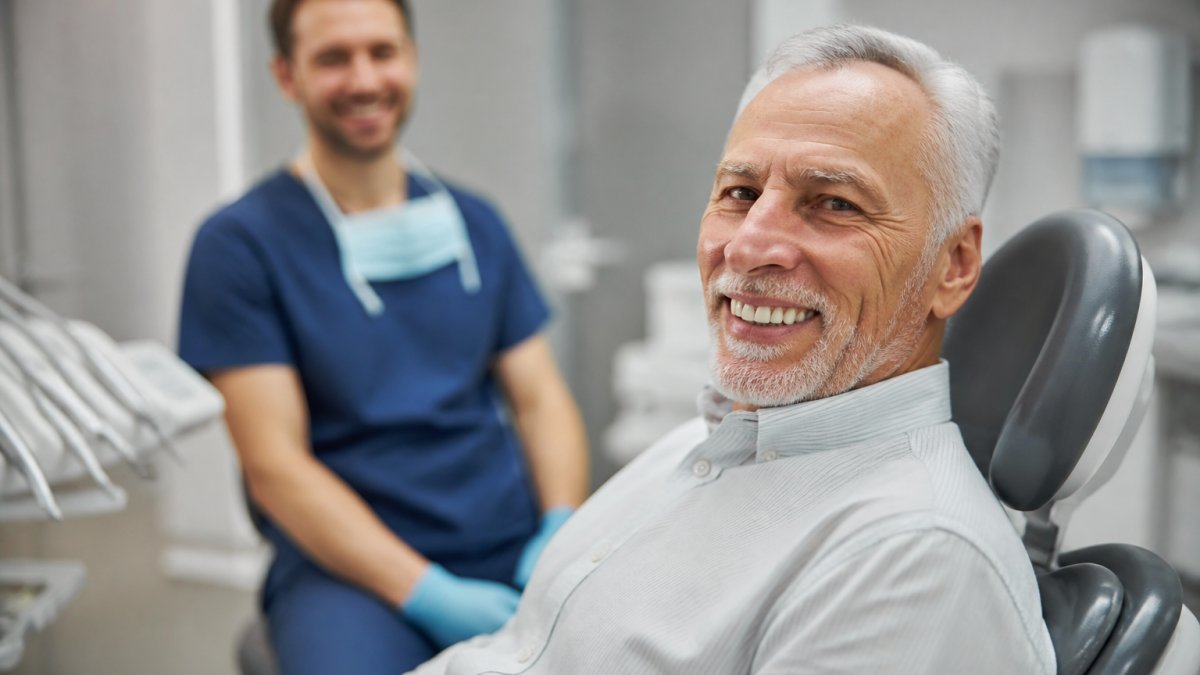
A 70-year-old with stable health, adequate bone, and realistic expectations sees the same success rates as someone 20 years younger.
The real question is "Am I healthy enough?" Patients who've worn dentures for decades describe implants as life-changing, they restore chewing function, eliminate speech issues, and remove anxiety about dentures shifting.
Health Conditions That Matter More Than Chronological Age
Your medical history matters more than age. Chronic conditions like diabetes and osteoporosis require careful management but don't automatically disqualify you, what matters is how well-controlled they are.
Diabetes and Blood Sugar Control
Uncontrolled blood sugar slows healing and increases infection risk, affecting osseointegration (bone fusion to the implant). If blood sugar is not well-controlled, treatment may need to be postponed until glucose stabilizes.
Osteoporosis and Bone Density
Osteoporosis affects jawbone density. A bone density scan (DEXA) reveals whether you need bone grafting first. Many patients with osteoporosis receive successful implants after bone augmentation.
Medication Interactions, The Often-Overlooked Factor
If you take bisphosphonates (Fosamax, Boniva), your surgical team must know the duration and type. These alter bone remodeling and can theoretically increase osteonecrosis risk, though the risk is significantly lower with oral bisphosphonates for osteoporosis than IV infusions for cancer. Your dentist will coordinate with your physician to assess risk and may recommend a temporary medication pause before and after surgery.
Blood thinners (warfarin, apixaban, rivaroxaban) require careful planning but typically don't need to be stopped. Your surgical team adjusts anesthesia, uses hemostatic techniques to control bleeding, and coordinates with your physician to ensure therapeutic anticoagulation on surgery day.
Corticosteroids can impair bone healing. If you take them long-term, your surgical team will monitor healing closely and may extend osseointegration slightly, but this doesn't prevent success.
Immunosuppressants increase infection risk. Implant placement is still possible with prophylactic antibiotics and vigilant infection monitoring during healing.
The Key Pattern
Controlled chronic conditions are workable; uncontrolled ones require stabilization first. Medications affecting bone or immune function require dentist-physician coordination but are rarely absolute contraindications. Disclose all medications, including supplements, so your team can anticipate complications.
Dental Implant Success Rates for Seniors
Success rates for dental implants in patients over 70 remain consistently high with proper patient selection. Health status and surgical technique predict outcomes, not age.
Most implants achieve osseointegration within 4-6 months. Survival rates for implants in older adults range 90-95% at 10 years, matching younger populations.
Age affects timeline, not performance. Older patients may heal slightly slower and bone grafting takes more time, but the end result delivers the same functional restoration.
The key factor is whether you've been missing teeth for years. Long-term edentulism causes jawbone resorption; bone resorbing for a decade requires augmentation before implant placement. This adds time and cost but is solvable, not a reason to avoid implants.
Recovery Time for Dental Implants in Older Adults
Recovery follows a predictable timeline. Most patients return to soft foods within a week and normal eating by week 4-6. Osseointegration takes 4-6 months while the implant remains protected under the gum.
Swelling peaks around day 2-3 and subsides gradually. Bruising typically resolves within 10-14 days. Pain management with prescribed or over-the-counter medication controls discomfort effectively.
Older adults sometimes experience slightly slower initial healing, which your surgical team anticipates. This doesn't delay the final result, it just means the timeline extends by a week or two. A patient in their 70s might need 5-6 months for osseointegration instead of 4-5 months.
During the healing phase, you'll avoid hard, crunchy, or sticky foods. You'll also avoid smoking, which dramatically impairs bone healing and increases implant failure risk. If you smoke, your surgical team will strongly recommend quitting or at minimum reducing consumption during the integration period.
Most patients describe the recovery as manageable. The temporary inconvenience of a soft-food diet and activity modification pales against years of restored chewing function and confidence.
Bone Density, Jawbone Health, and Surgical Candidacy
Your jawbone's ability to support an implant determines whether you can proceed with standard placement or require bone augmentation first. Bone density and volume are assessed through imaging, typically a cone-beam CT scan that shows exactly where bone exists and where it's been lost to resorption.
Long-term tooth loss causes the jawbone to resorb. When a tooth is missing, the bone that supported it no longer receives the stimulation it needs to maintain volume. Over years, this bone shrinks.
This is where bone grafting enters the picture. Grafting material, either your own bone harvested from elsewhere in the jaw, donor bone, or synthetic bone substitute, is placed in areas of deficiency. Over 4-6 months, new bone grows in and integrates with existing bone. Once adequate volume is restored, implant placement becomes possible.
Periodontal health also matters. If you have active gum disease, your surgical team will treat it before implant placement. Implants require healthy gum tissue to succeed. Peri-implantitis, an infection around an implant, is the leading cause of late implant failure, and it's more likely if periodontal disease isn't addressed first.
Your bone density assessment is straightforward and painless. It guides the surgical plan and sets realistic expectations about timing and whether augmentation is needed.
Medicare Dental Coverage Limitations and Financial Planning
Medicare covers dental implants only in specific circumstances, and those circumstances are narrow. Original Medicare (Parts A and B) does not cover routine dental care, including implants, crowns, or dentures. This is a significant limitation for many seniors.
Some Medicare Advantage plans (Part C) offer dental benefits, but coverage varies widely. A few plans cover implants; most cover only preventive care or basic restorations. You'll need to review your specific plan's summary of benefits or contact the plan directly to understand what's covered.
Medicaid coverage for dental implants is determined at the state level and varies dramatically. Some states cover implants for specific medical reasons; others don't cover them at all. If you're considering implants and rely on Medicaid, contact your state's Medicaid office to learn your options.
This coverage gap means most patients pay out-of-pocket or use private dental insurance. Dental discount plans and financing options can make treatment more accessible. Many practices offer payment plans that spread costs over time.
Planning ahead matters. If you're considering implants, factor in the true cost and explore financing options before committing. Understanding your insurance coverage, or lack thereof, prevents financial surprises after treatment begins.
Quality of Life Improvements and Long-Term Maintenance
The real measure of implant success isn't the implant itself, it's what it restores to your daily life and whether you can realistically maintain it long-term. Patients who've lived with dentures for years often describe implants as transformative because they restore function and eliminate anxiety. But for patients in their 70s and beyond, the maintenance question deserves practical, honest answers.
Functional and Psychological Improvements
Chewing efficiency improves dramatically. Dentures limit your ability to eat certain foods; implants restore nearly normal biting force. You can eat nuts, raw vegetables, and meat without worry. This expanded diet often leads to better nutrition, which supports overall health and bone density.
Speech improves. Dentures can slip or click, affecting pronunciation. Implants are fixed in place, so you speak naturally without self-consciousness.
The psychological impact is substantial. No more removing teeth at night, no more adhesives, no more worry about dentures falling out in public. Patients report increased confidence and social engagement. For many seniors, this restoration of dignity and normalcy is as important as the functional benefit.
Daily Maintenance: The Practical Reality
Implants require the same care as natural teeth: daily brushing and flossing, regular professional cleanings, and routine dental visits. Unlike dentures, implants are designed for long-term stability. But here's what matters for patients with arthritis, limited dexterity, or mobility challenges: you need to be honest about whether you can perform this maintenance.
If you have arthritis in your hands or fingers, traditional flossing may be difficult. Water flossers (oral irrigators) are an excellent alternative. They're easier to manipulate than string floss and equally effective at removing debris around implants. Many patients over 70 find water flossers more practical than traditional floss, especially if they have limited grip strength.
Long-Term Risks and How to Prevent Them
The Maintenance Commitment
Conclusion: Making Your Decision
The decision to get dental implants at 70 isn't about your age, it's about your health status, bone quality, and commitment to maintenance. If you're medically stable, have adequate bone or are willing to undergo bone grafting, and understand the financial commitment, implants offer years of restored function and confidence.
Frequently Asked Questions
Are dental implants worth it for seniors?
Dental implants offer significant long-term value for seniors. Unlike dentures or bridges, implants preserve jawbone structure and provide stable chewing function. They improve speech clarity and eliminate the daily maintenance of removable prosthetics. Most seniors report improved quality of life and confidence. The investment is substantial, but implants are designed for long-term stability with proper care, making them a valuable option over time compared to repeated replacements of other tooth replacement options.
What health conditions might prevent a 70-year-old from getting implants?
Uncontrolled diabetes, severe osteoporosis, and active periodontal disease can complicate implant success. Certain medications that affect bone healing, bleeding disorders, and advanced jaw atrophy may require bone grafting or alternative approaches. However, many conditions are manageable, diabetes controlled through medication, osteoporosis treated with appropriate therapy, and periodontal disease resolved before implant placement. A comprehensive dental health assessment with a board-certified implantologist determines candidacy on a case-by-case basis.
Will Medicare pay for dental implants for seniors?
Original Medicare does not cover dental implants, extractions, or other routine dental care. Medicare Part A and Part B exclude most dental services. Some Medicare Advantage plans (Part C) include limited dental benefits, but coverage varies by plan and typically does not extend to implants. Seniors should review their specific plan details and explore alternative financing options. Discussing costs and payment plans with your dental provider helps clarify out-of-pocket expenses.
How long does recovery take after dental implant surgery in older adults?
Initial healing typically takes 3-6 months, during which the implant integrates with the jawbone through osseointegration. Most patients resume normal eating within 1-2 weeks with soft foods. Full recovery and crown placement occur after the integration period. Older adults may experience slightly longer healing timelines and should follow post-operative instructions carefully, including activity restrictions and oral hygiene protocols. Your dentist provides a personalized recovery timeline based on your health status and the complexity of your procedure.