 How-to
How Long Do Same-Day Crowns Last in Practice
Quick Summary
Same-day crowns typically last about 10 to 15 years, and some last 20 years or more with good care. Lifespan depends on the crown material, bite forces, gum health and daily habits rather than on how the crown was made.
- Typical lifespan is about 10 to 15 years, with some lasting 20 years or more.
- Grinding or clenching can shorten a crown's life considerably; a night guard is a common countermeasure.
- Strong ceramics suit back teeth, while more esthetic ceramics suit front teeth.
- A loose crown is urgent and should be seen by a dentist promptly, not re-cemented at home.
- Daily flossing under the crown line and regular cleanings protect the seal and extend crown life.
Table of Contents
- How Long Do Same-Day Crowns Last in Practice
- What Same-Day Crowns Are and How Long They Typically Last
- Same-Day Crowns vs Traditional Crowns: How Their Lifespans Compare
- Evidence and Limits Behind Lifespan Estimates
- Factors That Affect How Long a Same-Day Crown Lasts
- How to Care for a Dental Crown Day to Day
- Signs a Dental Crown Needs Replacement or Repair
- Planning Your Next Step: Cost, Insurance and Booking a Crown Consultation
- Frequently Asked Questions
How Long Do Same-Day Crowns Last in Practice
Last Updated: November 12, 2026
If you have a cracked or badly decayed tooth, a same-day crown can be restored in a single visit. Most patients want to know one thing before they agree: how long will it last? Same-day crowns are designed for long-term use, but their lifespan depends on the material, the tooth, and how the crown is cared for. Below is general information about what influences how long a crown lasts, so you can plan with realistic expectations.
What Same-Day Crowns Are and How Long They Typically Last
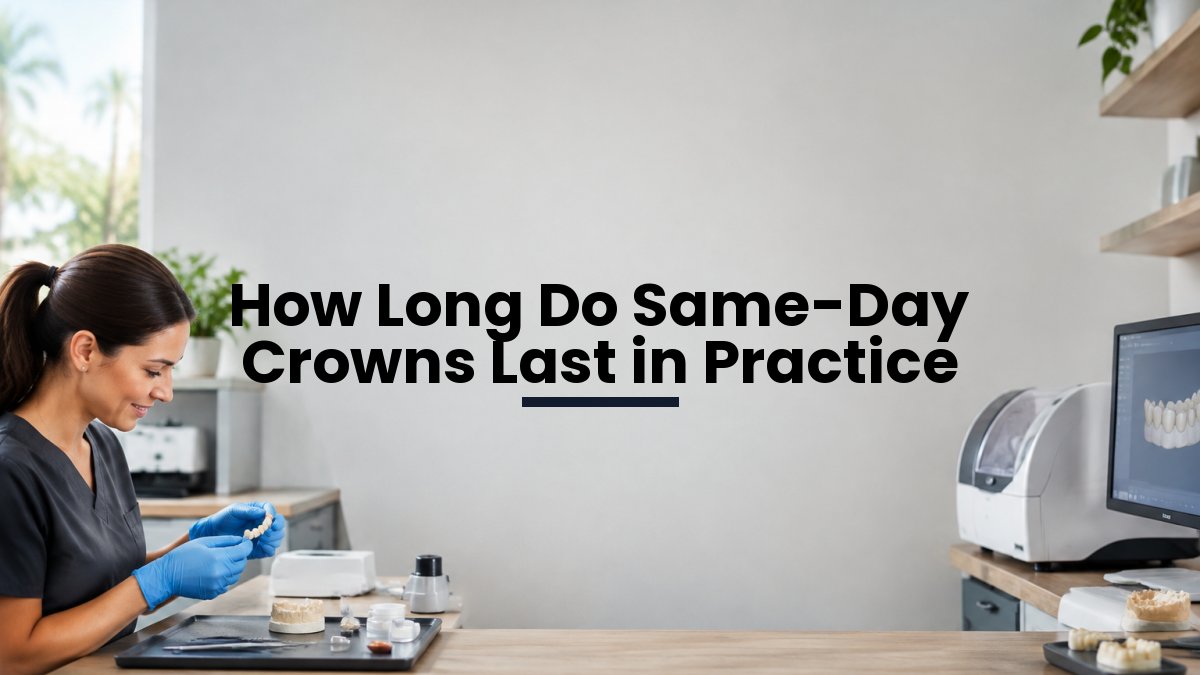
A same-day crown is a tooth cap made in one appointment, usually with a digital scan and milling. A traditional crown is often made in an outside lab over two or more visits.
Lifespan varies with the crown material and the patient's habits. Estimates often cited range from about 10 to 15 years, with some lasting longer.
- Typical range: 10 to 15 years
- Longer service: 20 years or more with good care
- Shorter service: when grinding, poor hygiene, or bite problems are present
Same-Day Crowns vs Traditional Crowns: How Their Lifespans Compare
Same-day crowns and traditional lab-made crowns can both last a long time. The main difference is speed, not durability.
Traditional crowns use lab-fabricated porcelain or metal and often have a long track record. Same-day crowns are typically milled from ceramic.
- Both types can last many years
- Same-day crowns can be completed in a single visit
- Lifespan depends more on fit, bite alignment, and care than on the method alone
The table below sets out how the two crown types compare on the points the article covers.
| Crown type | Where it is made | Typical visits |
|---|---|---|
| Same-day crown | Milled in the dental office | One appointment |
| Traditional crown | Outside lab | Two or more visits |
| Both types | Lifespan depends on fit, bite and care | Can last many years |
Evidence and Limits Behind Lifespan Estimates
Lifespan figures for crowns come mostly from clinical observation, not from long controlled studies of same-day crowns specifically. Newer materials have fewer years of follow-up data than older ones.
Treat any single number with caution. Lifespan estimates are averages across many patients, not guarantees for any individual.
Factors That Affect How Long a Same-Day Crown Lasts
A same-day crown does not fail on a timer. It fails when the forces on it, the seal around it, or the tooth underneath it change. Understanding those mechanisms is what turns a "10 to 15 years" estimate into a plan you can act on.
Bite forces and parafunction. Chewing generates repeated load on the crown, and the back teeth absorb the most. Patients who grind or clench at night can multiply that load many times over. Uncontrolled grinding or clenching is a commonly cited factor in crown chipping, wear, and early debonding, and a custom night guard is a common countermeasure.
Material choice and where the crown sits. Same-day crowns are typically milled from ceramic blocks, and the specific ceramic matters. High-strength zirconia and lithium disilicate (a glass-ceramic) resist fracture well and are common choices for molars. Leucite-reinforced glass ceramics look excellent but are softer and better suited to front teeth with lighter load. A common pattern is to use a stronger ceramic on back teeth and a more esthetic one on front teeth, even within the same mouth.
The seal at the margin. The edge where crown meets tooth is the weak point. If the fit is slightly open, saliva and bacteria seep under the crown and decay the tooth from beneath, often without symptoms until the crown loosens. Fit depends on the scan quality, the milling accuracy, and how carefully the dentist bonds and cements the crown. This is why a same-day crown is only as good as the appointment that produced it.
The tooth underneath. A crown is a cap, not a replacement root. If the underlying tooth has a crack that propagates, or if the nerve becomes inflamed, the crown may need to come off for a root canal or extraction. The condition of the tooth at the time of treatment sets a ceiling on crown life that no material can exceed.
Gum health and hygiene. Gums that recede expose the crown margin and the root surface, raising decay risk. Daily flossing under the crown line and regular professional cleanings protect the seal. Poor hygiene shortens life regardless of material.
Diet and habits. Ice, hard candy, unpopped popcorn kernels, and pen-chewing concentrate force on a small area and are common causes of chips. Sticky foods can pull at a marginally bonded crown.
Patient-specific risk profile. Grinding, a history of cracked teeth, untreated decay, gum disease, and high bite forces all shift the expected lifespan downward. A dentist can assess these during the consultation and recommend a stronger material, a night guard, or more frequent checkups. The answer to "how long will mine last" depends on which of these factors apply to you.
How to Care for a Dental Crown Day to Day
Good daily care helps a crown last. Brush twice a day with fluoride toothpaste, and floss around the crown line every day. Use a soft toothbrush to avoid wearing the surface.
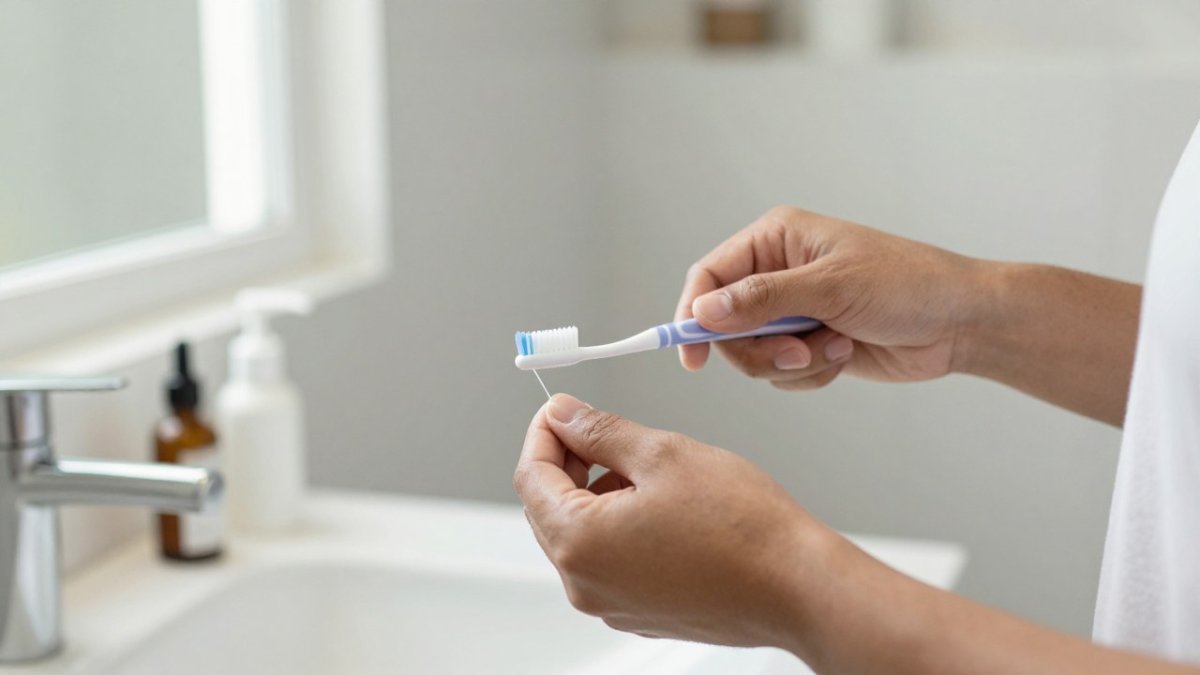
Avoid chewing ice, hard candy, and pens. Ask your dentist about a night guard if you grind your teeth. Keep your regular dental checkups and professional cleanings on schedule.
Signs a Dental Crown Needs Replacement or Repair
A crown rarely fails without warning. The signs below are your early-alert system, and acting on them early is usually simpler and less expensive than waiting for a full replacement.
A loose or rocking crown. This usually means the cement seal has broken, often because decay has formed under the margin or the underlying tooth has changed shape. A loose crown is urgent: bacteria can reach the tooth and cause rapid decay, and you risk swallowing or aspirating the crown. See a dentist promptly rather than re-cementing it yourself.
Sensitivity to hot or cold that lingers. Brief sensitivity after placement is normal and usually fades. Sensitivity that persists, or that appears months or years later, can signal a marginal leak, gum recession exposing the root, or nerve inflammation. Persistent sensitivity deserves an exam.
A chip, crack, or rough edge. Small chips on a ceramic crown can sometimes be polished or repaired with composite. A crack that runs through the crown, or a rough edge that irritates your tongue or cheek, needs assessment. Cracks in the underlying tooth are more serious than cracks in the crown itself.
Pain when biting down. Pain on biting often points to a bite that is too high, a cracked tooth beneath the crown, or inflammation at the root. A bite adjustment is a quick fix if caught early; a cracked root may mean the tooth cannot be saved.
Gum tenderness, bleeding, or a bad taste. These can indicate decay at the margin, gum inflammation, or a failing seal. A bad taste or odor around a crown is a common sign of trapped bacteria.
A visible dark line or shadow at the gumline. On some crowns this is simply the metal or ceramic edge showing through thin gum tissue. On others it can indicate decay or a receding margin. Only an exam can tell the difference.
When to seek urgent care. Contact a dentist the same day if a crown comes off completely, if you have swelling, fever, or facial pain, or if a broken crown leaves a sharp edge. These are signs of possible infection or injury that should not wait.
Repair versus replacement. A high bite, a small chip, or a loose crown with an intact tooth can often be repaired. A crown with a compromised fit, recurrent decay beneath it, or a cracked underlying tooth usually needs replacement. Your dentist will assess the margin, the tooth, and the bite before recommending either. Early repair is often simpler and less costly than waiting for a full replacement.
Planning Your Next Step: Cost, Insurance and Booking a Crown Consultation
Costs for crowns vary with the material, the tooth, and the care required. Pricing depends on the specific treatment needed, and you can request current pricing and payment information from Trinity Dental Arts directly through the website or during a consultation.
If you think a same-day crown may suit you, contact Trinity Dental Arts to arrange a consultation with a qualified dental professional, who can examine your tooth and discuss your options.
Frequently Asked Questions
How many years do same-day crowns typically last?
Many same-day crowns last about 10 to 15 years, and some last 20 years or longer when the patient keeps up with brushing, flossing and regular dental checkups. Lifespan varies with the crown material, how well the crown fits, the strength of the bite, and habits such as grinding or clenching. No lifespan is guaranteed, so the estimate should be treated as typical rather than certain. A dentist can assess your crown at routine visits and tell you how it is holding up.
Do same-day crowns last as long as traditional lab-made crowns?
Lifespan depends more on the crown material, fit and patient habits than on whether the crown was milled in the office or fabricated by an outside lab. Same-day crowns made from digital impressions and milling machines can perform well, but long-term comparison studies are still limited. Ask your dentist which material is recommended for your tooth, how the crown was made, and what follow-up care they advise.
What factors affect how long a same-day crown lasts?
Key factors include the material (such as porcelain or ceramic), the quality of the tooth preparation and crown fit, bite alignment and chewing forces, and whether you grind or clench your teeth. Hard foods, sticky foods and tooth decay or gum problems under the crown can also shorten its life. Keeping up with oral hygiene and dental visits helps catch small problems early.
What are the signs that a dental crown needs to be replaced?
Common warning signs include a loose or cracked crown, sensitivity to hot or cold that persists, pain when biting, visible gaps at the crown margin, gum irritation around the crown, or a rough edge you can feel with your tongue. Any of these should be checked promptly, since a damaged crown can allow decay underneath. A dentist can determine whether the crown can be repaired or needs replacing.