 ultimate-guide
Conscious Sedation Dentistry: What to Expect
Table of Contents
- What Is Conscious Sedation Dentistry?
- How Conscious Sedation Works During Dental Treatment
- Who Are Candidates for Conscious Sedation?
- Benefits of Sedation Dentistry for Anxious Patients
- Risks of Dental Sedation and Safety Considerations
- Sedation Dentistry Recovery Time and Aftercare
- Conscious Sedation vs. IV Sedation vs. General Anesthesia
- Your Step-by-Step Patient Journey
- Frequently Asked Questions
Last Updated: October 2, 2026
What Is Conscious Sedation Dentistry?
Conscious sedation dentistry is a form of sedation used during dental procedures that allows patients to remain awake and responsive while experiencing deep relaxation.
Conscious sedation dentistry combines sedative medication with local anesthesia, allowing you to stay relaxed while maintaining the ability to follow simple instructions.
This approach works particularly well for complex dental procedures, including root canals, dental implants, and full mouth restoration work. Patients receive medication through oral, intranasal, or intravenous routes, depending on the depth of sedation needed and individual medical history.
How Conscious Sedation Works During Dental Treatment
Conscious sedation depresses your central nervous system, inducing relaxation without rendering you unconscious.
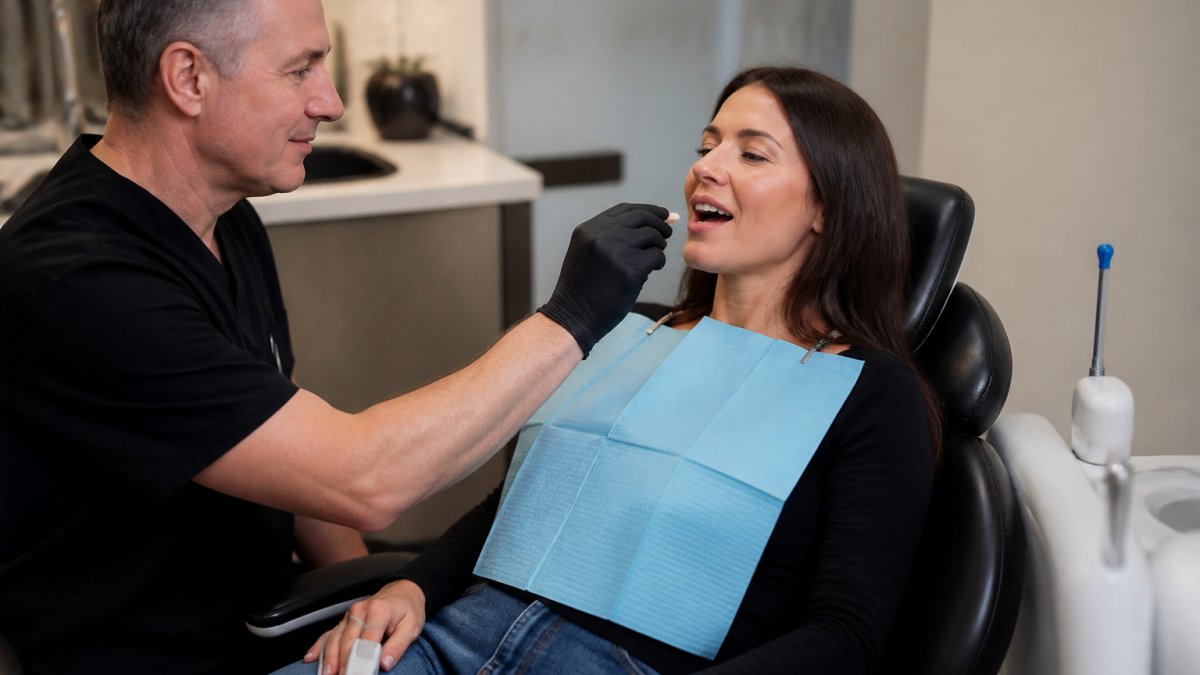
Your vital signs are monitored continuously throughout the procedure to ensure safety. Local anesthesia numbs the treatment area, so you feel pressure and vibration but not pain.
The sedation protocol depends on the complexity of your treatment and anxiety level.
Recovery from conscious sedation is faster than from general anesthesia. Most patients are alert within 30 to 60 minutes, though drowsiness may linger for several hours.
Who Are Candidates for Conscious Sedation?
Candidates include patients with significant dental anxiety, dental phobia, or fear that prevents them from seeking necessary care. Conscious sedation may be the gateway to restoring oral health for those who've avoided treatment for years.
Patients undergoing complex or lengthy procedures, multiple implants, full mouth restoration, extensive restorative work, benefit from sedation. Those with a strong gag reflex are also good candidates; sedation relaxes the reflex, making procedures more manageable.
Medical History and Health Conditions
Your medical history is the primary factor determining candidacy. During your consultation, disclose all current medications, allergies, and health conditions so your dentist can assess whether conscious sedation is appropriate.
Conditions that may disqualify you or require modified sedation:
- Uncontrolled sleep apnea, Sedation can worsen airway collapse; patients require careful monitoring or may need IV sedation with enhanced airway management instead of oral sedation.
- Severe or uncontrolled hypertension, Blood pressure above 180/110 mmHg typically requires rescheduling and medical clearance from your physician.
- Unstable angina or recent myocardial infarction, Patients within 6 months of a heart attack generally should not receive conscious sedation; those with stable coronary artery disease may be candidates with cardiology clearance.
- Congestive heart failure (NYHA Class III or IV), Advanced heart failure increases risk; mild to moderate heart failure may be manageable with monitoring.
- Severe respiratory disease, COPD, asthma, or other conditions causing baseline oxygen desaturation make sedation riskier; pulmonologist clearance is essential.
- Liver or kidney disease, These organs metabolize and eliminate sedative drugs; impaired function prolongs sedation effects and increases toxicity risk.
- Untreated or uncontrolled diabetes, Sedation can affect blood glucose; medical clearance and fasting glucose monitoring may be required.
- Active substance use disorder, Patients actively using alcohol, opioids, or other drugs face higher overdose risk and are typically not candidates until in recovery.
- Certain psychiatric medications, SSRIs, MAOIs, and other psychotropic drugs can interact with sedatives; your dentist coordinates with your prescribing physician.
- Pregnancy, Sedation is generally contraindicated during pregnancy; elective procedures are deferred.
Medications That Affect Candidacy
Certain medications interact with sedative agents or increase risk:
- Benzodiazepines or opioids, If you're already taking these, adding dental sedation increases CNS depression and overdose risk; your dentist may reduce sedation depth or reschedule.
- Anticoagulants (warfarin, apixaban, rivaroxaban), These increase bleeding risk; your dentist may request INR levels or clearance from your prescribing physician.
- Stimulants (amphetamines, methylphenidate), These can cause dangerous interactions with sedatives; disclosure is critical.
Age and Overall Health
Conscious sedation is typically used in adults and older children with specialized protocols. Elderly patients (over 65) may be candidates but often require lower doses due to age-related changes in drug metabolism.
Patients should be in reasonable overall health and able to follow pre-operative instructions. If you have multiple chronic conditions, your dentist may request medical clearance from your primary care physician.
Pre-Operative Medical Clearance
If you have significant medical history, your dentist may request clearance from your physician before scheduling sedation. Bring a complete list of current medications, dosages, and any recent hospitalizations or surgeries to your consultation.
Benefits of Sedation Dentistry for Anxious Patients
For patients with dental anxiety or phobia, conscious sedation dentistry transforms the treatment experience.
The amnesia effect is another significant benefit. Even though you're conscious during the procedure, you'll have little to no memory of it afterward.
Conscious sedation increases comfort during lengthy procedures. A three-hour implant or full mouth restoration feels like minutes, reducing physical and emotional strain and post-operative soreness.
For patients with complex dental needs, sedation allows the dentist to work more efficiently.
The psychological benefit extends beyond the appointment.
Risks of Dental Sedation and Safety Considerations
While conscious sedation dentistry is generally safe, it carries certain risks. Common side effects include drowsiness, nausea, headache, and temporary confusion, most resolving within hours.
Rare serious complications include respiratory depression, allergic reactions, and cardiovascular changes. Continuous vital sign monitoring is essential; your dentist watches for distress and can intervene immediately if needed.
Medical Contraindications and Risk Factors
Contraindications exist for certain medical conditions: uncontrolled sleep apnea, severe heart disease, respiratory conditions, pregnancy, active substance abuse, or certain psychiatric medications. Lighter sedation with nitrous oxide carries fewer risks than deeper or IV sedation. Your medical history, medications, and procedure complexity influence the safety assessment.
Cost, Insurance Coverage, and Financial Considerations
Conscious sedation adds to the overall cost of dental treatment, and understanding the financial impact is essential for treatment planning.
Typical cost range: Conscious sedation generally adds $200 to $800 to the total procedure cost, depending on the type of sedation and appointment length. Oral sedation is typically least expensive; IV sedation costs more due to additional monitoring and administration time.
Insurance coverage varies widely:
- Dental insurance plans, Some cover conscious sedation if medically necessary (severe anxiety, gag reflex issues); others classify it as elective and cover only a portion or none of the fee.
- Medical insurance, May cover part of sedation cost in hospital or surgical settings for complex oral surgery, though dental procedures are often excluded.
- Medicare and Medicaid, Coverage is limited and varies by state; many plans do not cover dental sedation for routine procedures.
Steps to clarify your coverage:
- Contact your dental insurance provider directly and ask whether conscious sedation is a covered benefit for your specific procedure.
- Request an itemized pre-treatment estimate from your dentist that separates the sedation cost from the procedure cost.
- Ask your dentist's office whether they offer payment plans, financing options, or in-house payment arrangements to spread the cost over time.
- If you have medical insurance, check whether any portion of the sedation might be covered under your medical plan if the procedure qualifies as medically necessary.
Out-of-pocket planning: If sedation is not covered by insurance, budget for the full cost as an out-of-pocket expense. Discussing cost upfront during your consultation ensures no surprises.
Minimizing Risk Through Preparation
To minimize risk, provide complete information about your health history, medications, and allergies. Follow pre-operative instructions: fast for 6 to 8 hours, arrange transportation home, and avoid alcohol and certain medications as directed.
Choose a dental practice with trained, credentialed sedation providers. Ask whether your dentist holds ADA certification in sedation dentistry or has completed advanced training. Facilities should have emergency equipment on hand, including oxygen, airway management tools, and reversal agents.
Sedation Dentistry Recovery Time and Aftercare
Recovery from conscious sedation is relatively quick.
Post-operative care is straightforward: rest for the remainder of the day, avoid strenuous activity and machinery, stay hydrated, and eat light, soft foods.
Some patients experience mild swelling, bruising, or discomfort at the injection site.
Follow your dentist's specific aftercare instructions, which may include avoiding certain foods, taking prescribed medications, or limiting physical activity.
Avoid driving, operating machinery, or making important decisions for at least 24 hours after sedation. Sedative effects can linger, affecting your judgment.
Conscious Sedation vs. IV Sedation vs. General Anesthesia
Understanding the differences between these three sedation levels helps you choose the right approach for your needs.
Conscious sedation keeps you awake and responsive, with minimal memory of the procedure.
IV sedation delivers medication directly into your bloodstream, producing deeper relaxation than conscious sedation.
General anesthesia renders you completely unconscious with no awareness, memory, or response to stimulation. Your airway must be managed artificially.
For most dental procedures, including implants and complex restorative work, conscious sedation or IV sedation is sufficient and safer than general anesthesia.
Your Step-by-Step Patient Journey
Before Your Appointment: Schedule a consultation to discuss your dental anxiety, medical history, medications, and procedure.
Arrival and Preparation: You'll check in and have your vital signs recorded.
During the Procedure: You remain conscious but deeply relaxed.
Recovery: Once the procedure is complete, the sedative is discontinued or allowed to wear off naturally.
Going Home: You must have a responsible adult drive you home.
Dental anxiety shouldn't keep you from the care you need.
Frequently Asked Questions
Are you actually awake during conscious sedation dentistry?
Yes. During conscious sedation dentistry, you remain in a twilight sleep state where you are technically awake but deeply relaxed and unaware of time passing. You can respond to verbal commands and maintain your airway, but you won't remember much of the procedure due to the amnesia effect of sedative medications. This key difference distinguishes conscious sedation from general anesthesia, where you are completely unconscious.
What drugs are used for oral conscious sedation?
Oral conscious sedation typically uses prescription anxiolytics and sedative medications taken by mouth before your appointment. Common medications include benzodiazepines, which reduce anxiety and promote relaxation. Your dentist will prescribe a specific medication based on your medical history, the complexity of your dental procedure, and your level of dental anxiety. Always disclose all medications and health conditions during your consultation.
How does conscious sedation differ from general anesthesia?
Conscious sedation keeps you awake but relaxed in a twilight state with limited memory of the procedure, while general anesthesia renders you completely unconscious. With conscious sedation, you maintain your own airway and can respond to commands. General anesthesia requires an anesthesiologist and carries greater risks. Conscious sedation is suitable for many dental procedures, while general anesthesia is reserved for complex oral surgery or patients with severe medical conditions.
What should I expect during recovery from conscious sedation dentistry?
Recovery from conscious sedation is typically brief. You'll spend 30-45 minutes in a monitored recovery area as the sedative effects wear off. You may feel drowsy or disoriented initially. Most patients can return to light activities the same day, though you should avoid driving, operating machinery, or making important decisions for at least 24 hours. Arrange transportation before your appointment, and have someone stay with you for the remainder of the day.