 how-to
Book Same-Day Dental Consultation: Emergency Care Guide
Table of Contents
- What Qualifies as a Dental Emergency
- How to Book a Same-Day Dental Consultation
- Finding an Emergency Dentist Near Me
- How to Prepare for a Dental Emergency Visit
- Dental Consultation Cost and Payment Options
- What to Expect During Your Same-Day Consultation
- After Your Same-Day Dental Consultation
- Frequently Asked Questions
Last Updated: August 31, 2026
What Qualifies as a Dental Emergency
A dental emergency is any condition causing severe pain, trauma, or infection requiring immediate professional attention. Common situations include knocked-out teeth, severe toothaches, broken or chipped teeth, abscesses, and jaw or mouth injuries. If you're experiencing significant pain or suspect structural damage, you shouldn't wait for a routine appointment.
Not every dental problem qualifies as an emergency. Minor sensitivity, small chips without pain, or cosmetic concerns can be addressed during regular business hours. However, if you're unsure, call and ask. Many practices, including Trinity Dental Arts, have protocols to assess your situation over the phone and guide you toward appropriate care.
Dental trauma from accidents requires immediate evaluation even if pain is minimal. A tooth that's been partially dislodged, fractured below the gum line, or completely knocked out needs professional assessment within hours. Facial swelling, fever, or difficulty swallowing indicate infection demanding urgent intervention.
Understanding what constitutes an emergency helps you make faster decisions when pain strikes. The difference between waiting until morning and seeking immediate care can mean saving a tooth versus losing it permanently. Trinity Dental Arts specializes in emergency dental services with the clinical expertise and advanced technology needed for optimal outcomes.
How to Book a Same-Day Dental Consultation
Booking a same-day dental consultation requires quick action and knowing your options. Most dental practices maintain emergency slots, with availability depending on timing and your problem's nature. The process typically begins with a phone call, allowing the office to assess your situation and determine how quickly you need to be seen.
Call Ahead for Immediate Availability
Calling directly is the fastest way to secure a same-day appointment. Describe your symptoms clearly: location of pain, when it started, what triggered it, and whether you've experienced trauma or injury. This information helps the dental team prioritize your case and prepare the appropriate treatment space and instruments.
Many practices use triage protocols to determine appointment timing. A severe toothache with swelling might be scheduled within an hour, while a minor chip without pain might be scheduled later that day. Be honest about your pain level and symptoms like fever or difficulty eating, as these factors influence scheduling decisions.
Ask about wait times when calling. Some offices see emergency patients immediately, while others maintain a queue system. If the office is fully booked, ask about alternatives like urgent care dental clinics or emergency rooms for severe situations.
American Dental Association guidance on dental emergencies recommends calling your dentist first, as they can provide immediate phone-based guidance while you wait for an appointment.
Walk-In vs. Scheduled Same-Day Appointments
Walk-in availability varies significantly between practices. Some dental offices reserve time daily for emergency walk-ins, while others require advance scheduling even for urgent cases. Understanding your local options before an emergency occurs helps you act decisively when pain strikes.
Scheduled same-day appointments offer guaranteed time with the dentist and prepared treatment space. When you call ahead, the team can gather your health history, confirm insurance information, and have necessary instruments ready. This preparation typically results in faster treatment and better outcomes than walk-in scenarios.
Walk-in services work best when experiencing acute pain without an established dentist relationship. Emergency dental clinics and larger practices accommodate walk-ins specifically for this reason. However, wait times can be substantial, sometimes stretching several hours.
Trinity Dental Arts offers same-day appointment availability for emergency patients, prioritizing urgent cases while maintaining clinical standards.
Finding an Emergency Dentist Near Me
Locating an emergency dentist quickly requires knowing where to search and what to look for. Start with practices you already know, whether your regular dentist or recommendations from friends and family. Many general dentists reserve emergency slots for existing patients.
If you don't have a regular dentist, search for "emergency dentist near me" or "urgent dental care" online. Read recent reviews focusing on emergency response times and pain relief quality. Look for practices that clearly state emergency protocols and after-hours availability.
Dental schools and university clinics often provide emergency services at reduced cost, though wait times can be longer. Community health centers and urgent care clinics may also offer dental emergency services. These options are worth considering if cost is a significant barrier or if you're unable to reach a private practice quickly.
Trinity Dental Arts serves the Tampa Bay region with comprehensive emergency dental services. The practice's location in Trinity, Florida, combined with specialized expertise in oral surgery and implantology, positions it to handle complex emergency scenarios. The board-certified implantologist can address traumatic injuries requiring surgical intervention or immediate tooth replacement planning.
How to Prepare for a Dental Emergency Visit
Preparation before your appointment can significantly improve the outcome and efficiency of your emergency dental consultation. Gather relevant medical information: current medications, allergies, previous dental work, and any conditions affecting your oral health. If you experienced trauma, note the time of injury and what caused it.
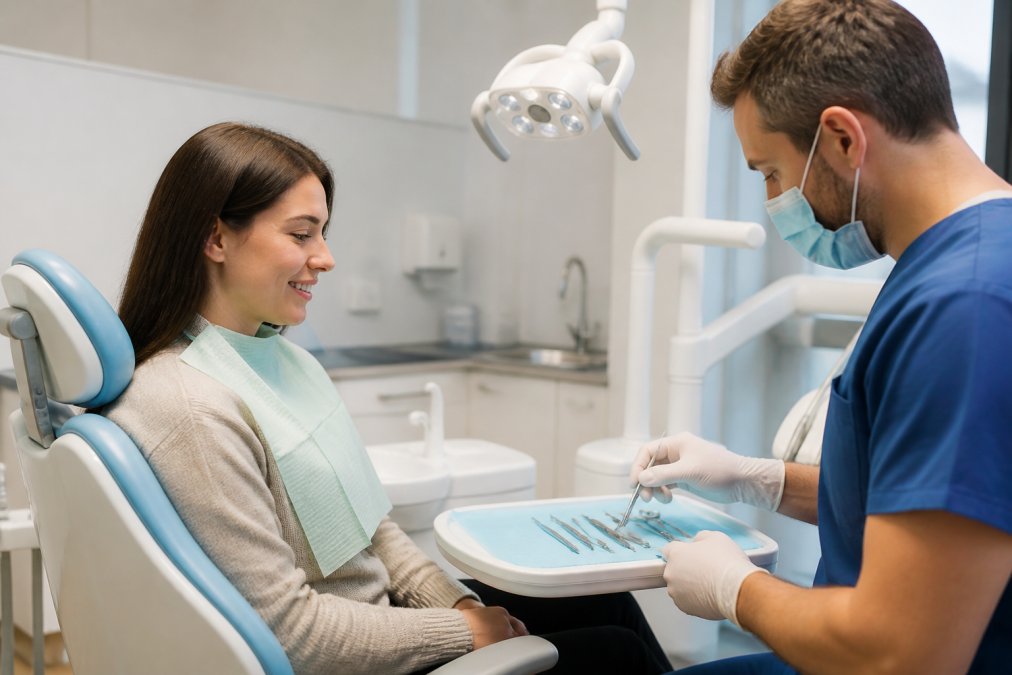
If a tooth has been knocked out, handle it carefully and try to preserve it. Rinse it gently with clean water without scrubbing the root surface, then place it in milk or saline solution if available. Avoid touching the root and keep it moist during transport. Time is critical; the sooner professional care begins, the better the chance of successful reimplantation.
For broken or chipped teeth, save any fragments you can find. Rinse your mouth with warm salt water to clean the area and reduce bacteria. If bleeding is present, apply gentle pressure with gauze. Avoid chewing on the affected side and stick to soft foods if eating is necessary before your appointment.
Bring your insurance card and photo identification to your appointment. Have your insurance information ready when you call, allowing the office to verify coverage for emergency services. Ask about payment options upfront to reduce stress during an already uncomfortable situation.
Write down your symptoms and when they started. Include pain severity on a scale of 1-10, what makes the pain better or worse, any swelling or discoloration, and whether you've experienced similar problems before. This information helps the dentist quickly identify the problem and recommend appropriate treatment.
Dental Consultation Cost and Payment Options
Dental emergency costs vary based on the specific problem and required treatment. A simple examination and pain relief might cost less than a procedure requiring anesthesia and complex treatment. Most practices charge a consultation fee that may be applied toward treatment costs if you proceed with care that day.
Understanding typical cost factors helps you prepare financially. Examination and X-rays form the diagnostic foundation. Pain management, whether through topical anesthesia or local injections, adds to the base cost. Extractions, temporary restorations, or advanced procedures like root canal therapy or implant placement increase the total significantly.
Many dental offices offer payment plans for emergency treatment, allowing you to spread costs over several months. Some accept major credit cards, and some partner with financing companies specializing in healthcare costs. Discussing payment options before treatment begins ensures you understand your financial obligation.
Insurance coverage for emergency dental care varies by plan. Some plans cover emergency exams and pain relief at a higher percentage than routine care. Contact your insurance provider before your appointment to confirm coverage. If you're uninsured, ask the office about reduced-fee options or discounts for cash payment.
Trinity Dental Arts provides transparent information about treatment costs and payment options during the consultation. The practice's in-house lab capabilities can reduce overall costs for procedures like same-day crowns, as work doesn't require sending materials to an external laboratory.
What to Expect During Your Same-Day Consultation
Your same-day dental consultation typically begins with a focused history and examination. The dentist will ask detailed questions about your symptoms, when they started, and what triggered them. They'll examine the affected area visually and with instruments, then take X-rays if needed to assess damage below the gum line or within the tooth structure.
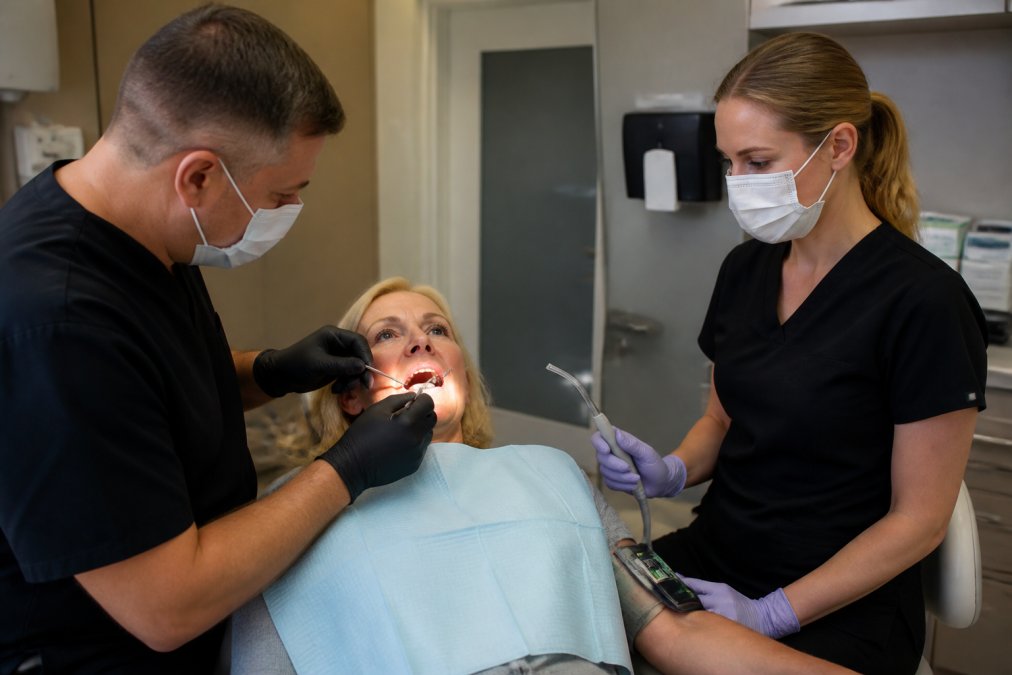
Pain management is a priority during emergency consultations. The dentist will apply topical anesthesia before injecting local anesthetic, minimizing discomfort during the numbing process. Once the area is numb, you should feel pressure and vibration from instruments but not sharp pain. If you experience pain during treatment, communicate immediately; the dentist can administer additional anesthetic.
The clinical examination determines what treatment is needed. A simple cavity might require temporary filling to relieve pain, with permanent restoration scheduled later. A fractured tooth might need extraction or root canal therapy depending on fracture location and tooth vitality. A traumatic injury might require stabilization, splinting, or immediate implant planning.
Diagnostic imaging provides critical information. X-rays show decay, bone loss, root fractures, and other conditions invisible to the naked eye. Digital imaging allows the dentist to show you exactly what's happening and explain treatment options.
Treatment during an emergency consultation focuses on pain relief and stabilization. Trinity Dental Arts' approach combines immediate symptom relief with comprehensive assessment, ensuring you understand both your current condition and the full treatment pathway forward.
After Your Same-Day Dental Consultation
Post-treatment care significantly influences healing and prevents complications. Your dentist will provide specific instructions based on the treatment you received. Common guidance includes avoiding chewing on the treated side, eating soft foods, and taking over-the-counter pain medication if discomfort persists after anesthesia wears off.
Swelling and mild discomfort are normal after emergency dental treatment. Apply ice packs for 15 minutes at a time during the first 24 hours to reduce swelling. After 24 hours, warm compresses can help if discomfort continues. Most acute symptoms resolve within a few days as the area heals.
If you received a temporary restoration, avoid sticky foods that might dislodge it. Don't chew hard foods on that side until permanent treatment is complete. Temporary restorations are functional but not as durable as permanent solutions.
Watch for warning signs that complications have developed. Increasing pain, swelling that worsens after 48 hours, fever, or difficulty swallowing warrant immediate follow-up contact. These symptoms might indicate infection or other complications requiring additional intervention.
Schedule your follow-up appointment before leaving the office if permanent treatment is needed. This ensures continuity of care and prevents the temporary solution from becoming a long-term default. Trinity Dental Arts coordinates follow-up care during your emergency visit, establishing a clear treatment timeline.
Maintain excellent oral hygiene during healing. Gently brush surrounding teeth, but avoid the treatment area until cleared by your dentist. Salt water rinses several times daily promote healing and reduce bacterial contamination. Avoid smoking and alcohol, both of which impair healing and increase infection risk.
Frequently Asked Questions
What qualifies as a dental emergency requiring same-day care?
Dental emergencies include severe toothache pain, broken or chipped teeth, knocked-out teeth, abscesses with swelling, trauma to the mouth or jaw, and infections causing facial swelling. Uncontrolled bleeding, difficulty swallowing, or fever accompanying dental pain also warrant immediate attention. If you're experiencing acute dental trauma or pain that affects your ability to eat or sleep, contact an emergency dentist near me right away for urgent dental care and immediate dental attention.
How much does a same-day dental consultation cost?
Dental consultation cost varies based on the type of emergency, required imaging, and your insurance coverage. Initial emergency consultations typically include a clinical examination and oral health assessment. Your dental insurance may cover a portion of urgent care visits. For specific pricing and to understand your out-of-pocket costs, contact Trinity Dental Arts directly for a quote or visit their website for current rates. Many practices offer payment plans for uninsured patients.
How should I prepare for a dental emergency visit?
Before your same-day appointment, gather your dental insurance information and any relevant medical history. Rinse your mouth with warm salt water if you have a toothache. If a tooth is knocked out, store it in milk or a tooth preservation solution. Take over-the-counter pain relief if needed. Write down your symptoms and when they started. Arrive a few minutes early for patient intake and new patient registration. Bring identification and payment information. Avoid eating hard or sticky foods before your appointment.
Will a dentist extract a tooth during a same-day consultation?
Yes, emergency extraction is possible during a same-day appointment if clinically necessary. After your initial dental triage and clinical examination, your dentist will determine whether extraction is the best treatment or if other options exist. Same-day extraction depends on the tooth's condition, your overall health, and the dentist's assessment. Your treatment plan will be discussed before any procedure begins, and your dentist will explain pain management and aftercare requirements for post-treatment recovery.
This article was written using GrandRanker