 Comparison
Are Same-Day Dental Crowns Worth the Cost and Wait?
Quick Summary
Same-day crowns are worth considering because a dentist designs, makes and bonds the crown in a single appointment, avoiding the temporary crown and weeks of waiting for an outside lab. The process uses digital scanning and milling, often with CEREC technology. Not every tooth or bite is a good candidate, so your dentist should confirm suitability.
- Traditional crowns usually take two or more visits with a temporary crown in between.
- An intraoral scanner records the prepared tooth and surrounding teeth in three dimensions.
- The crown is milled from a solid ceramic block, often porcelain or zirconia, matched to adjacent teeth.
- Design and fabrication happen in the same room, so no impression is sent to a lab.
- Your dentist can explain whether your tooth and bite are good candidates for milling.
Table of Contents
What Same-Day Dental Crowns Are and How They Are Made
Last Updated: November 9, 2026
Same-day dental crowns are restorations that a dentist designs, fabricates and bonds to a damaged tooth in a single appointment. A crown is a cap that covers the entire visible part of a tooth, and the traditional process usually takes two or more visits and a temporary crown in between. Same-day crowns, most often made with CEREC technology, remove most of that waiting. You can see what the procedure includes at this practice.
Same-day crown refers to a restoration milled and placed during one visit, rather than fabricated at an outside dental lab over several weeks.
How CAD/CAM and CEREC Technology Works
CAD/CAM stands for computer-aided design and computer-aided manufacturing. In dentistry, it means the crown is digitally designed on a screen and then milled from a solid ceramic block in the office. CEREC is one of the best-known systems for this workflow, and the name is often used for same-day crowns in general.
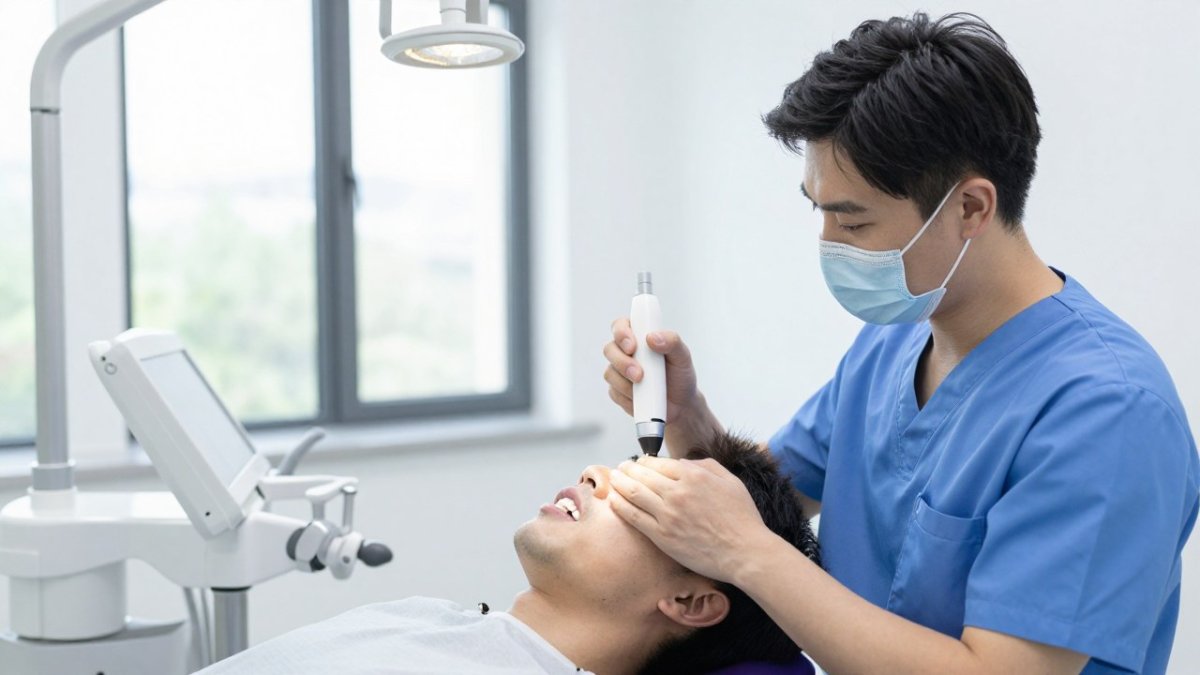
The process starts with a digital impression. An intraoral scanner, a small wand-shaped camera, records the prepared tooth and the surrounding teeth in three dimensions. The software then proposes a crown shape based on the bite and neighboring teeth, and the dentist adjusts it on screen.
Next, a milling machine carves the crown from a ceramic block, often porcelain or zirconia, which is matched to the shade of the adjacent teeth. The crown is polished, tried in, and bonded in place. Because the design and fabrication happen in the same room, there is no need to send an impression to a lab and wait for a return shipment. If you are comparing practices, guidance on choosing a cosmetic dentist can help you judge qualifications.
Not every case suits milling. Your dentist can explain whether your tooth and bite are good candidates.
Frequently Asked Questions
Are same-day crowns as durable as traditional lab-made crowns?
Durability depends mainly on the material, the fit, and how well the patient cares for the crown. Same-day crowns are often milled from ceramic blocks, while many traditional crowns are made in a dental lab from porcelain, zirconia, or metal alloys. Some lab-made materials may offer greater strength in certain situations, so the right choice depends on where the tooth sits and how much chewing force it bears. Ask your dentist which material is recommended for your specific tooth and bite.
Is a same-day crown more expensive than a traditional crown?
Pricing varies by practice, material, and insurance coverage, so no single figure applies to every patient. Some practices publish a per-crown range for same-day service, while others quote on a case-by-case basis. Because the process can be completed in one visit, it may reduce the number of appointments and temporary crowns needed compared with some traditional approaches. Contact Trinity Dental Arts directly or check the website for current pricing and to ask how your insurance plan applies.
What are the downsides of CEREC crowns?
Common drawbacks include a more limited selection of materials compared with some lab-made options, and the fact that not every tooth or case is a good candidate for single-visit fabrication. Some patients also find that the crown's appearance or fit requires careful evaluation before it is permanently bonded. A consultation with a qualified dentist can help determine whether a same-day crown is appropriate for your tooth and overall oral health.